


“Born on the Fourth of July” is a biographical film based on Ron Kovic’s autobiography of the same name. The movie chronicles his childhood, military service, paralysis, and his eventual transformation into an anti-war activist. Directed by Oliver Stone, the film features an all-star cast of popular American actors from that era, including Tom Cruise, Kyra Sedgwick, Raymond J. Barry, and Jerry Levine, among others. Read more on dallas-trend.
Ron Kovic’s Biography
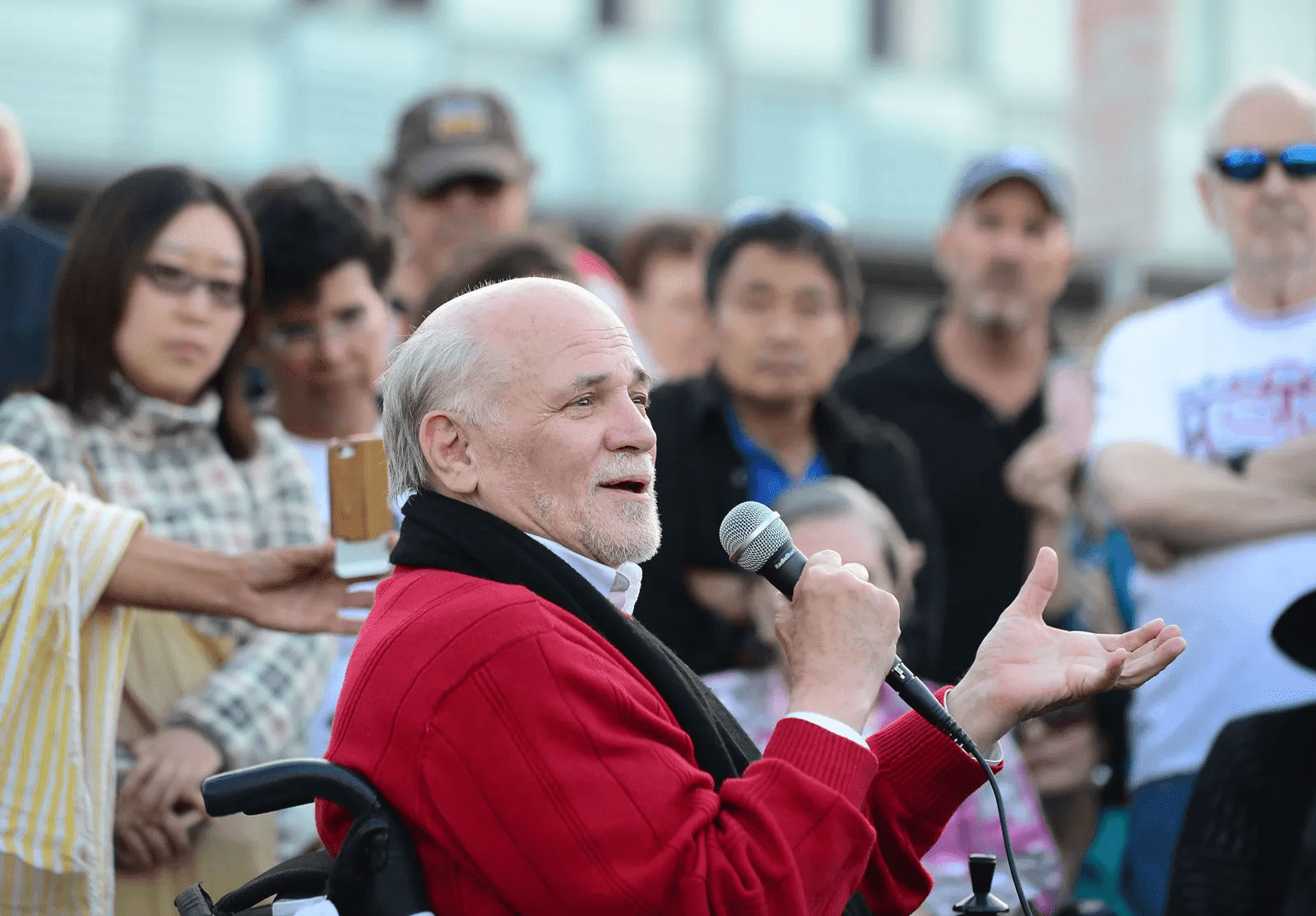
Ron Kovic was born on July 4, 1946, in Ladysmith, Wisconsin, to a family of Croatian descent. He was the oldest of six children and, from a young age, showed little interest in academics, preferring sports, especially athletics. After high school, Kovic briefly worked in a store but quickly realized it wasn’t for him. In September 1964, driven by a strong desire to become a Marine, he volunteered for the U.S. Marine Corps.
Kovic served in the Vietnam War, an experience that profoundly disillusioned him. During one engagement, he accidentally shot a fellow soldier. Later, he witnessed American troops killing innocent civilians in a village. The final straw came when, recovering from a severe injury in the hospital, he observed the indifferent attitude of the medical staff toward the wounded soldiers. This bitter experience left Kovic battling depression for a long time before he decided to join the anti-war movement.
In 1974, Ron Kovic penned his autobiography, “Born on the Fourth of July,” which later became the inspiration for the film of the same name.
The Journey to the Big Screen
In 1974, following Ron Kovic’s powerful speech at the Democratic National Convention and after reading his book, none other than Al Pacino became interested in the veteran’s story. Pacino turned down other Vietnam-themed film roles, focusing his energy on discussing a potential film adaptation of Kovic’s book.
By September 1976, producer Martin Bregman began negotiations to acquire the film rights, successfully securing them for $150,000. However, the project stalled when Paramount Pictures, unhappy with the script, backed out.
In 1977, Martin Bregman brought in director Oliver Stone to work on the screenplay. Stone, like Kovic, was a Vietnam veteran, and their shared experiences quickly forged a bond. Stone began working on the script in 1978, but due to financial hurdles and changes in producers, the project faced multiple delays. When Universal Pictures finally took on the film, Martin Bregman and Al Pacino exited the project. They believed the film was doomed to fail due to intense competition from other popular films on similar themes, such as the Vietnam War drama “Coming Home.”
Stone promised Kovic he would revisit the project if his career took off. And he kept his word. After the immense success of his war film “Platoon,” Stone returned to Kovic’s story, revising the screenplay and adding scenes of the veteran’s speech at the Democratic National Convention.
In 1987, the biographical film about Ron Kovic was officially announced, but financing once again became an issue. It wasn’t until 1988 that Universal Pictures agreed to allocate $14 million, on the condition that a well-known actor be cast in the lead role.
Tom Cruise as the Vietnam War Veteran
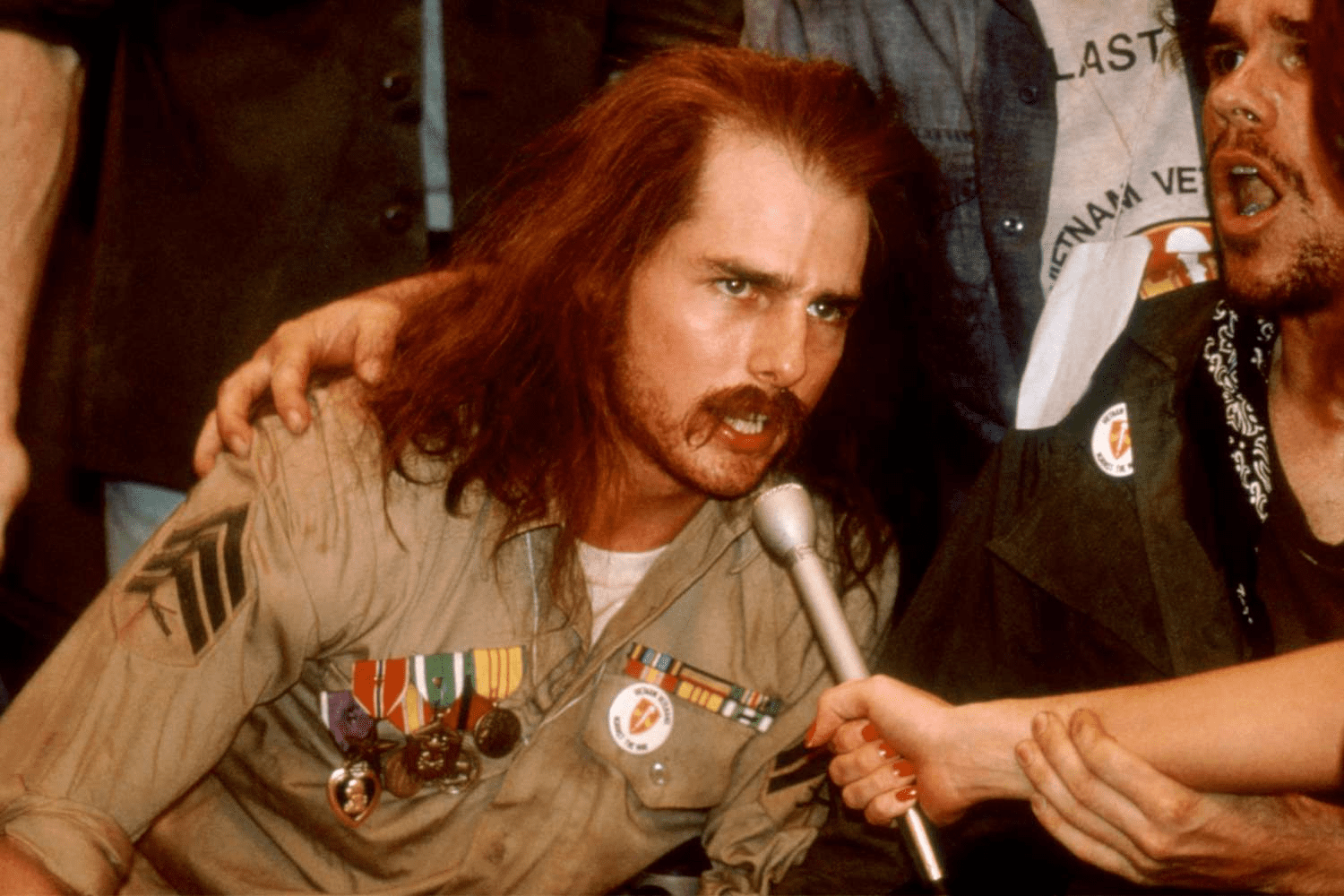
For the role of Vietnam veteran Ron Kovic, Oliver Stone considered many prominent actors, including Sean Penn, Charlie Sheen, and Nicolas Cage. However, Tom Cruise personally expressed his interest in working with Stone after watching “Platoon.”
Initially, the studio doubted whether Cruise could handle such a demanding dramatic role. Kovic himself had reservations for a while but changed his mind after meeting the actor in person. Oliver Stone, on the other hand, saw in Cruise the image of a “golden boy” whose life could be irrevocably altered by tragedy.
Tom Cruise meticulously prepared for the role. He visited veteran hospitals, devoured books about the war, and learned how to use a wheelchair. Believe it or not, the director even suggested temporarily paralyzing the actor with a special drug for greater authenticity, but the insurance company wouldn’t approve such a risk. Kovic himself actively participated in rehearsals and even played a cameo role in the film.
The casting for “Born on the Fourth of July” was incredibly extensive. Over 200 actors vied for roles, and 12,000 people, including veterans and community organization representatives, participated as extras. Longtime collaborators of the director, such as Tom Berenger and John C. McGinley, also appeared in the film. To prepare the actors for combat scenes, a military advisor organized special training missions.
How Dallas Became a Filming Location
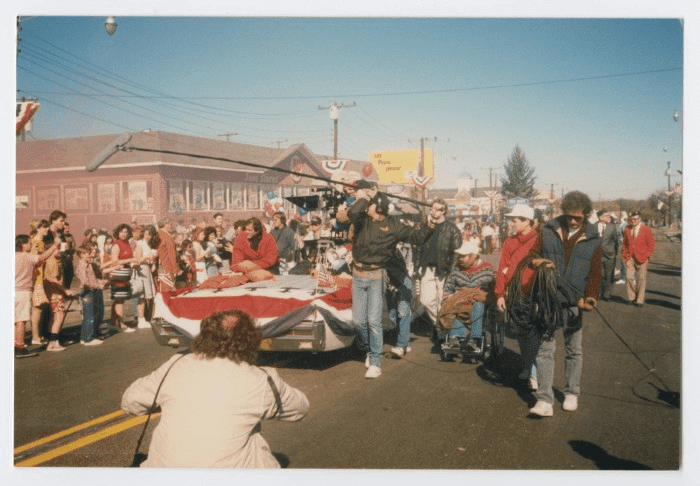
Dallas served as the primary filming location for scenes set in the United States. The Oak Cliff neighborhood was transformed to resemble Massapequa. The Kimball High School band and staff were featured in the parade and graduation scenes. The Dallas Convention Center was utilized to recreate events during the 1972 Republican National Convention. Additionally, to authentically capture the hospital atmosphere where Ron Kovic recuperated, certain scenes were shot within the walls of Parkland Memorial Hospital.
Scenes set in Vietnam and Mexico were filmed in the Philippines. Oliver Stone initially wanted to shoot in Vietnam directly but was unable to do so due to unresolved conflicts between the countries and the United States. Principal photography for “Born on the Fourth of July” wrapped in December 1988, exactly 65 days after filming began.
After reviewing an early cut of the film, Universal Pictures requested reshoots for the ending. The studio was dissatisfied with the scene depicting Kovic’s appearance at the 1974 Democratic National Convention. The original scene, filmed in Dallas with 600 extras, didn’t meet the studio’s quality expectations, and they asked Stone to make it more impactful and engaging. This scene was reshot in July 1989 at The Forum in Inglewood, California. The reshoot took one day and involved 6,000 extras, costing an additional $500,000.
“Born on the Fourth of July” made a significant impact on audiences. Oliver Stone won an Academy Award for Best Director, and Tom Cruise received a nomination for Best Actor. However, the production process left a mixed legacy in Oak Cliff. While some local businesses benefited from the crew’s presence, attracting more customers, there were also negative reactions. Residents complained about traffic disruptions and noise during filming. After production concluded, Tom Cruise placed an advertisement in a local newspaper, thanking the community for their hospitality.